


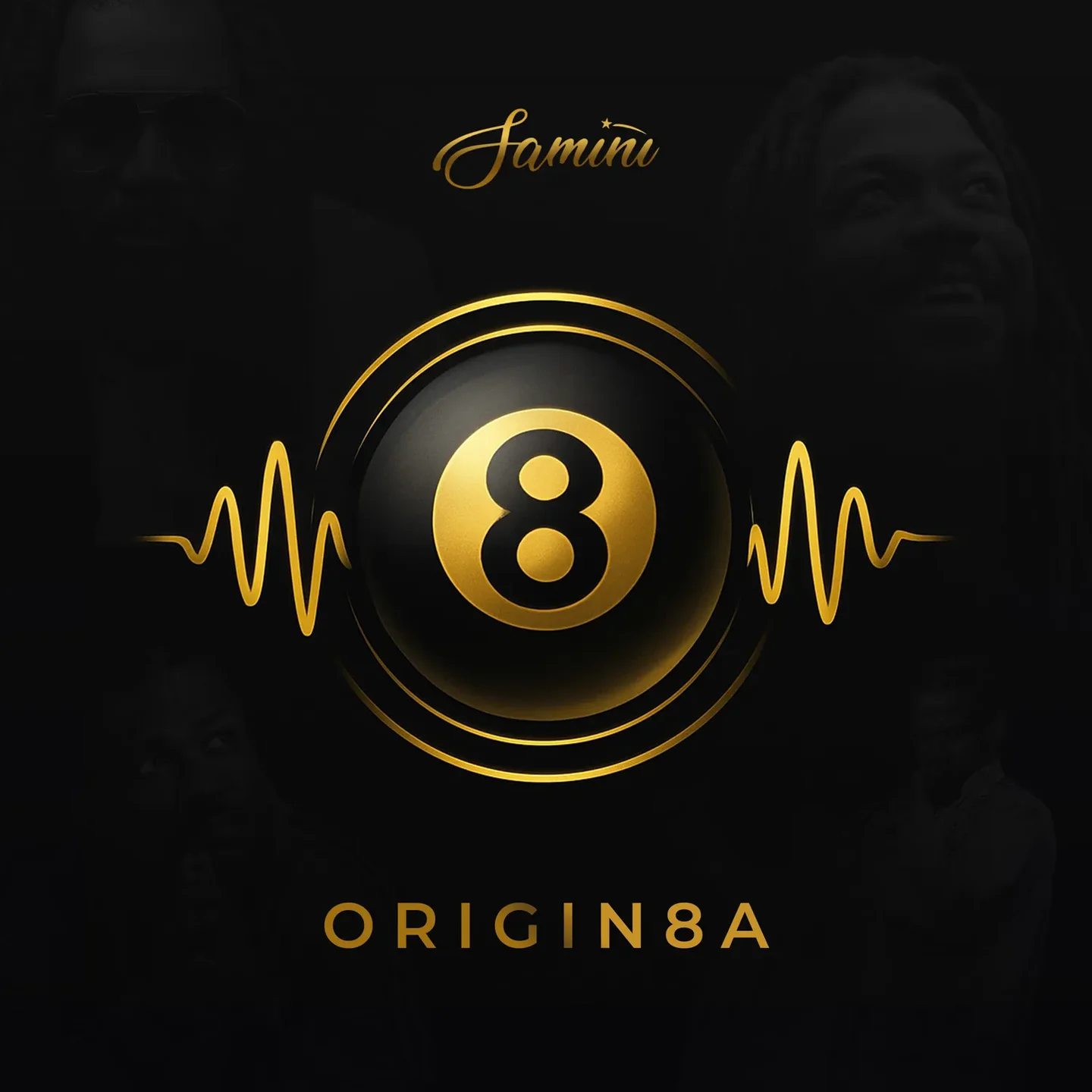
Samini – Pibilli
Samini’s “Pibilli” is the kind of record that reminds you why he’s called the undisputed Dancehall President of Ghana. Released in 2025 as part of his continued run of genre-blending singles, “Pibilli” fuses highlife guitar lines with dancehall bounce and Afropop melody. It’s celebratory, rooted in Ghanaian culture, and built to make both the old and new generation move.
The production is warm and percussive, anchored by live-sounding guitar riffs, rolling log drums, and a steady one-drop rhythm that keeps the dancehall feel intact. At around 98 BPM, the beat leaves space for melody and call-and-response vocals. The mix is clean but retains a live-band energy, with subtle percussion and brass stabs that give it a highlife bounce. It doesn’t rely on heavy 808s or modern trap textures. Instead, it sounds like a song recorded with musicians in the room, and that authenticity is why it connects across age groups.
Lyrically, Samini uses “Pibilli” as both a slang term and a vibe. In Ghanaian street language, “pibilli” means something exciting, lively, or worth celebrating. The song is built around that idea. Samini sings about good vibes, unity, and enjoying life without unnecessary stress. He moves between English, Twi, and pidgin, keeping the language local while making the emotion universal. Lines like “Make we enjoy the pibilli, no dull moment” aren’t trying to be poetic. They’re direct, chantable, and made for crowd participation.
Vocally, Samini leans into his strength as a melodic singer and dancehall chanter. He alternates between smooth, highlife-influenced melodies and clipped dancehall toasting, using tone and cadence to keep the energy up. His voice carries the weight of experience, but there’s no nostalgia overload. He sounds current, confident, and in control of the groove. The ad-libs and background vocals are layered to mimic a live audience, making the track feel like a concert even on headphones.
Thematically, “Pibilli” is about reclaiming joy in a fast-paced world. Samini isn’t singing about heartbreak or struggle here. He’s singing about pausing, dancing, and celebrating the small wins. In a year where a lot of Afropop leaned into romance and emotional complexity, “Pibilli” stands out as a record that prioritizes community and movement. It’s the kind of song played at weddings, festivals, and family gatherings because it doesn’t alienate anyone. Kids, parents, and grandparents can all find something in the groove.
On a wider level, the track reinforces Samini’s role as a bridge between Ghana’s musical generations. He came up in the early 2000s with highlife and dancehall fusion, and “Pibilli” shows he’s still evolving that sound without chasing trends. The highlife guitar gives it a nostalgic feel for older listeners, while the dancehall rhythm and modern mix make it palatable for younger audiences on TikTok and streaming platforms. That balance is rare, and it’s why the song charted across Ghana and picked up traction in the diaspora.
Musically, the track is built for longevity through simplicity. The guitar loop doesn’t change much, but the vocal inflections, percussion fills, and call-and-response structure keep it engaging. There’s no complex bridge or key change. The arrangement trusts the groove and Samini’s delivery to carry it, and that restraint is why it doesn’t feel overproduced. It sounds like a song you could hear in 2010 or 2025 and still understand immediately.
Since release, “Pibilli” has become a staple on Ghanaian radio and at live events. It’s played during cultural festivals, Independence Day celebrations, and club nights where DJs want to bring the energy down to a feel-good level without losing the bounce. On social media, the hook has been used for dance videos, family celebration clips, and moments where the caption is simply “good vibes only.” The song’s lack of controversy and clear positive message make it brand-safe and playlist-friendly.
For Samini, “Pibilli” is a reminder that consistency and cultural authenticity still win. He could have chased the current amapiano or drill trends, but instead he doubled down on what made him a household name: melody, rhythm, and Ghanaian identity. The track also highlights his ability to write songs that work across settings. It’s not just a club record or a radio record. It’s a record for people.
The production by Killertunes gives the track modern clarity without stripping away its live feel. He keeps the instrumental breathing, lets the guitar and percussion lead, and trusts Samini’s vocals to carry the hook. That discipline is why the song holds up on repeat. It’s not trying to shock you. It’s trying to make you move and feel good, and it succeeds.
“Pibilli” sits in Samini’s catalog as a celebration record. It’s not his hardest dancehall track, and it’s not his most introspective highlife song. It’s somewhere in between, and that middle ground is where his strength lies. It’s Samini introducing a new generation to the sound that built him, while giving longtime fans something to dance to.
“Pibilli” is available on Spotify, Apple Music, Audiomack, and YouTube. If you want Samini at his most celebratory, blending highlife melody with dancehall rhythm to create a feel-good anthem for Ghana and beyond, this is the one.

Join the discussion